Endonasal Correction
Endonasal correction is a specialized cranial technique that gently adjusts the bones of the skull and face to relieve sinus congestion, vertigo, facial pain, and breathing difficulties.
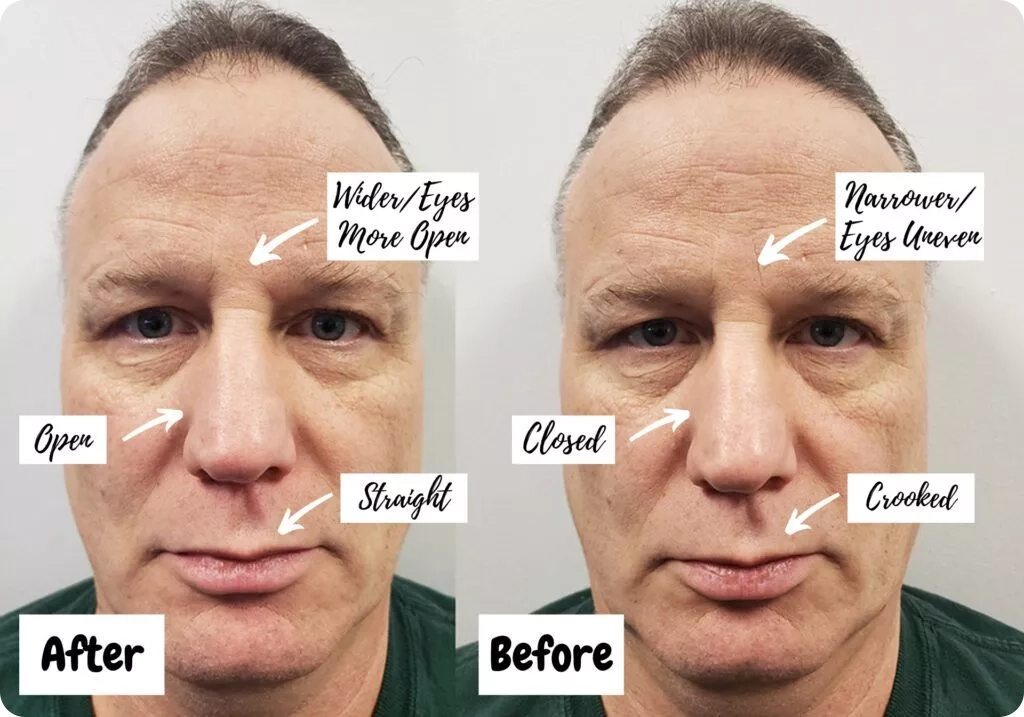
What Is Endonasal Correction?
Endonasal correction — also called Bilateral Nasal Specific (BNS) or endonasal cranial correction — is a specialized technique that uses a small, finger-cot balloon to gently mobilize the cranial bones of the skull from the inside of the nasal passages. By briefly inflating the balloon inside the nasal passage, the practitioner creates a gentle, controlled force that opens the cranial sutures and adjusts the sphenoid and other cranial bones back toward their optimal position.
It sounds unusual — and patients are often surprised to learn that their skull bones are actually movable. But the cranial bones are not fused solid in adulthood; they retain subtle mobility throughout life, and that mobility matters enormously for neurological function, cerebrospinal fluid flow, sinus drainage, and even the proper movement of your entire spine through its relationship with the meninges.
At SpringBack Chiropractic in Surprise, AZ, Dr. Patrick Bain performs endonasal correction as part of a comprehensive structural care program. When cranial distortions are addressed alongside spinal misalignments via Advanced BioStructural Correction, many patients experience resolution of symptoms they never connected to their skull structure.
How Cranial Bones Get Misaligned
The bones of the skull can be shifted from their optimal position through:
- Birth trauma — the process of delivery places significant compressive forces on the infant skull. Forceps or vacuum delivery in particular can create significant cranial distortions that persist into adulthood if never corrected.
- Head injuries and falls — even impacts that don’t cause concussions can shift cranial bones.
- Dental work and jaw dysfunction — the TMJ and the cranial bones are intimately connected. Chronic jaw clenching, bite problems, and major dental procedures can all create secondary cranial distortions.
- Postural dysfunction — prolonged forward head posture and cervical spine misalignment exerts chronic tension on the cranial base through the meningeal system.
When the sphenoid bone — the central bone of the skull base — is out of position, it can compromise the pituitary gland (which sits directly above it), narrow the nasal passages, restrict cerebrospinal fluid flow, and create a cascade of neurological and structural effects throughout the body.
Conditions Treated With Endonasal Correction
Patients at SpringBack Chiropractic seek endonasal correction for a wide range of conditions, including:
- Chronic sinus congestion and sinusitis — cranial compression narrows the sinus drainage pathways; correction opens them
- Vertigo and balance disorders — the inner ear is housed within the temporal bones, and cranial distortions can directly affect vestibular function
- Facial pain and pressure — often misdiagnosed as sinus headaches or trigeminal neuralgia
- Chronic headaches and migraines — particularly those with frontal or temporal distribution
- Snoring and sleep apnea — structural narrowing of the airway often has a cranial component
- TMJ dysfunction and jaw pain
- Post-concussion syndrome — many persistent post-concussion symptoms have a cranial bone component
- Deviated septum symptoms — while correction does not change the cartilage, it can significantly improve airflow by addressing the bony architecture
- Brain fog and cognitive difficulties — associated with compromised CSF flow
- Tinnitus — related to temporal bone compression
The Endonasal Correction Procedure
Before your first endonasal session, Dr. Bain performs a thorough cranial and structural assessment. He will feel for areas of restriction in the cranial sutures, assess your sphenoid position, and explain exactly what to expect.
During the procedure, Dr. Bain uses a small latex-free finger cot fitted over his finger or a small balloon. It is gently inserted into the nasal passage and briefly inflated — a sensation patients describe as a few seconds of pressure, similar to the feeling of diving into a pool. Most patients describe a brief, intense sensation followed by an immediate sense of opening or lightness in their head and face.
A full treatment sequence typically involves multiple passes — different nasal passages and different balloon positions — to address the entire cranial complex. Most patients notice immediate changes in nasal airflow, pressure, and often in their overall sense of clarity and balance.
Combining Endonasal Correction With ABC
The cranium and the spine are not separate systems — they are connected through the meninges, the fascia, and the bony architecture of the entire axial skeleton. Endonasal correction and Advanced BioStructural Correction (ABC) work synergistically: ABC addresses the spinal component of structural dysfunction while endonasal correction addresses the cranial component. Together, they decompress the entire central nervous system axis from skull to sacrum.
Many patients who have plateau’d with spinal care alone find that adding endonasal correction unlocks the next level of improvement — because the structural interference at the top of the system was limiting what the spinal work could achieve.
What Results Can Patients Expect?
Results from endonasal correction vary based on the nature and duration of the cranial distortion. Acute issues from recent trauma often resolve very quickly — sometimes in one to three sessions. Long-standing cranial patterns typically require a series of visits to fully correct.
Patients commonly report after their first session:
- Significantly improved nasal breathing
- Reduced facial pressure and sinus congestion
- Improved sense of balance and spatial awareness
- Reduction in headache frequency and intensity
- A feeling of more space “inside” their head
With a full course of treatment, many patients achieve complete or near-complete resolution of chronic sinus issues, vertigo, and facial pain that they had been managing with medications for years.
Schedule Your Endonasal Consultation
If you’ve been struggling with sinus problems, vertigo, headaches, or facial pain that hasn’t responded to conventional treatment, endonasal correction at SpringBack Chiropractic may offer the structural solution you’ve been missing. We serve patients throughout Surprise, Peoria, Sun City, Glendale, and the West Valley.
Call (623) 294-6564 or request your appointment online to schedule a consultation with Dr. Bain. Relief from the inside out starts here.
Ready to Get Started?
Contact us today and take the first step. Free consultations available.